Travel Insurance in Utah
Travel insurance plans for Utah residents through Ark Insurance Solutions. Coverage for trip cancellation, medical emergencies, baggage loss, and more — from licensed insurance experts who actually know how insurance works.

Travel insurance plans for Utah residents through Ark Insurance Solutions. Coverage for trip cancellation, medical emergencies, baggage loss, and more — from licensed insurance experts who actually know how insurance works.
Travel insurance plans for Utah residents through Ark Insurance Solutions. Coverage for trip cancellation, medical emergencies, baggage loss, and more — from licensed insurance experts who actually know how insurance works.
Travel insurance is coverage that goes with you when your health insurance doesn’t. Most standard plans are built around a local network — leave that network, and your protection starts getting thin fast. Travel insurance layers on top of whatever you already have, filling in the gaps that your regular coverage wasn’t designed to handle.
A good travel insurance plan covers a lot more than a cancelled flight. It handles emergency medical care, evacuation, baggage delays, and situations your existing coverage simply wasn’t built for — like needing a doctor in Budapest who speaks English, or getting airlifted out of a canyon in southern Utah.


This is the one most people don’t think about until they need it. Your Utah health plan runs on a network. The moment you’re outside it — across the country or across an ocean — that network disappears. While protection may technically exist, you face an uphill struggle securing benefits without a formal contract in place. Travel medical coverage pays for emergency treatment wherever you are, with no deductible on most plans. Some include coverage for pre-existing conditions if you purchase within the required time window after your initial trip deposit.

If something forces you to cancel or cut your trip short — illness, a family emergency, job loss, bad weather — trip cancellation coverage reimburses the prepaid, non-refundable costs you’re out. Trip interruption goes a step further and covers the cost of getting home early, plus any unused portion of the trip.

Getting airlifted off a mountain or transferred from a rural hospital to a better-equipped facility can cost six figures out of pocket. Evacuation coverage handles that bill. The better plans include “hospital of choice” benefits, meaning they’ll get you to a facility you trust, not just the closest one.
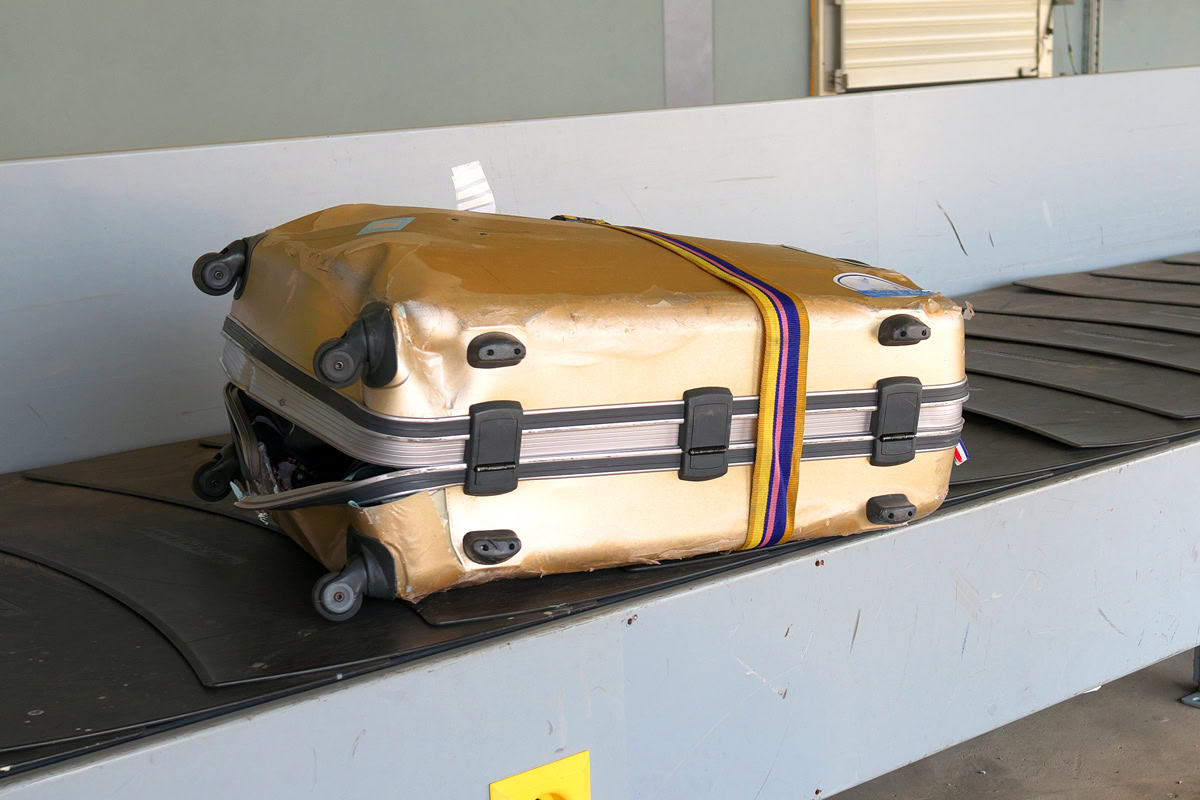
Airlines lose bags. When yours doesn’t show up at the carousel, baggage delay coverage reimburses you for essentials you need to buy in the meantime. Most plans kick in after a 6–12 hour delay. Baggage loss coverage handles the bigger hit if your luggage doesn’t make it back at all.

Stuck in an airport for six-plus hours? Trip delay coverage pays for meals, a hotel if you need one, and other reasonable expenses while you wait. It’s not glamorous coverage — but the people who’ve used it will tell you it matters.

Situations abroad can shift quickly. Some plans include coverage for evacuation if political unrest, civil conflict, or a security emergency makes it unsafe to stay. This is a benefit you hope you’ll never use — and exactly the kind you want if things go sideways.

Lost passport. No idea how to find a doctor where you are. A language barrier in the middle of a health scare. Travel assistance services connect you with live support — 24 hours a day — to help you navigate whatever the trip throws at you. Some plans cover translator fees, coordinate care remotely, and can even fly in a family member if you’re hospitalized alone.
Most people assume their existing coverage handles travel. It usually doesn’t — at least not well.
Outside Utah, that network shrinks. Outside the U.S., it may vanish entirely. A medical emergency abroad, a missed connection that blows up a cruise, or a trip cancellation you couldn’t predict — those costs land on you.
Real medical protection. Evacuation benefits. Trip cost reimbursement. And a number to call at 2am when things go wrong in a country where you don’t speak the language.
The rule of thumb: if you’re traveling more than 300 miles from home, it’s worth having. Domestic or international. A hiking trip in Canyonlands or a cruise in the Caribbean.
Getting covered is simple. Getting reimbursed should be too. Here’s how the process works.
Plans range from basic trip cancellation to comprehensive medical and evacuation packages. The right one depends on where you’re going, how long you’ll be gone, and what your existing coverage looks like. Not sure which fits? That’s exactly where we come in.
Buy your plan after booking, ideally within 14–21 days of your initial trip deposit. That window matters — it’s often the cutoff for pre-existing condition waivers and cancel-for-work-reasons benefits.


Here’s the honest truth about how most people buy travel insurance: they click the box on the airline website or assume their credit card handles it. Neither option comes close to actual coverage.
Travel agents sell it because they have access to it — not because they understand insurance. What they offer is usually one plan, one carrier, and no real way to compare. We work with multiple carriers, which means we can actually match the right plan to your trip instead of just selling you what’s available.
And because we’re licensed insurance brokers, not travel agents, we know how the coverage works. We know which plans have the pre-existing condition waiver. We know that indicating you have existing U.S. health coverage can drop your premium significantly. We know the difference between primary and secondary medical coverage, and why it matters when you’re filing a claim from a hospital in Rome.
That’s what you’re getting when you work with us. Not a website. A person who picks up the phone.

Your kids’ health coverage doesn’t hold up overseas. Getting the whole family covered before you leave means everyone has the same protection, not just the adults on the itinerary.

Hiking remote terrain in southern Utah, backcountry skiing, or anything that puts you far from urgent care. If a helicopter rescue is even a remote possibility, evacuation coverage isn’t optional.

Frequent trips mean more exposure to delays, cancellations, and medical situations. An annual multi-trip plan often makes more financial sense than buying coverage trip by trip.
Utah has one of the highest per-capita missionary populations in the country. Long-term travel abroad requires coverage built for extended stays, not a two-week vacation plan.
If you’re living abroad, working remotely from another country, or staying overseas for months at a time, a specialized expat or global health plan is a different category entirely. We have those too.

The best time to buy travel insurance is right after you book. That’s when your pre-existing condition waiver window opens, and that’s when the full range of cancellation benefits kicks in. Waiting until the week before means leaving real protection on the table.
We offer plans from multiple carriers — from straightforward trip protection to comprehensive medical and evacuation packages. For most casual travelers, the Arch RoamRight plans are a clean, easy starting point. For missionaries, expats, crew members, or anyone staying abroad long-term, we’ll help you find something built for your specific situation.
Click the button below to get a quote or explore plan options.
Not sure which direction to go?
Let’s schedule an appointment or jump on a call.
Q: Does my health insurance cover me when I travel?
A: Maybe. ACA-qualified plans are required to cover urgent and emergency care out of your home area, but required to cover it doesn’t mean they make it easy. You may still face out-of-network cost-sharing, prior authorization headaches, and billing systems that weren’t designed for cross-state or international claims. If your plan isn’t ACA-qualified, the answer could be nothing at all. Travel medical insurance is built specifically for these situations, so you’re not left sorting it out from a hospital bed in another state or another country.”
Q: Isn’t the travel insurance at checkout good enough?
A: Usually not. Airline and credit card coverage tends to cover trip cancellation and maybe some baggage delay. Emergency medical, evacuation, pre-existing condition waivers, political evacuation, translator services — those usually aren’t included. You’re buying a stripped-down product because that’s all that’s being offered, not because it’s the right fit.
Q: What’s a pre-existing condition waiver, and do I qualify?
A: A waiver means your plan won’t exclude claims related to a pre-existing condition. To qualify, you generally need to purchase within 14–21 days of your initial trip deposit, insure the full cost of your trip, and not be disabled from travel at the time of purchase. Timing matters — this is one of the main reasons to buy early.
Q: How much does travel insurance cost?
A: Less than most people expect. A single trip plan for a short domestic trip can run under $20. International coverage with full medical and evacuation benefits is typically 4–8% of your total trip cost. Annual multi-trip plans are available and often make sense for frequent travelers.
Q: Can I get coverage for a mission trip or extended stay abroad?
A: Yes. Standard trip plans aren’t built for long-term travel — but we have plans that are. Missionary plans, student plans, expat coverage, and crew insurance are all options we can walk you through.
Q: When should I buy travel insurance?
A: As soon as you book. The earlier you purchase, the more coverage you unlock — including the pre-existing condition waiver and cancel-for-work-reasons benefits. Most plans can be purchased up to the day before departure, but waiting costs you options.
Q: How do I file a claim?
A: Claims can be submitted online, by email, fax, or mail. Upload your itemized receipts and any required documentation, and reimbursement is issued by direct deposit or check. If you have questions during the process, call us — we can help.
Connect With Us On Social Media